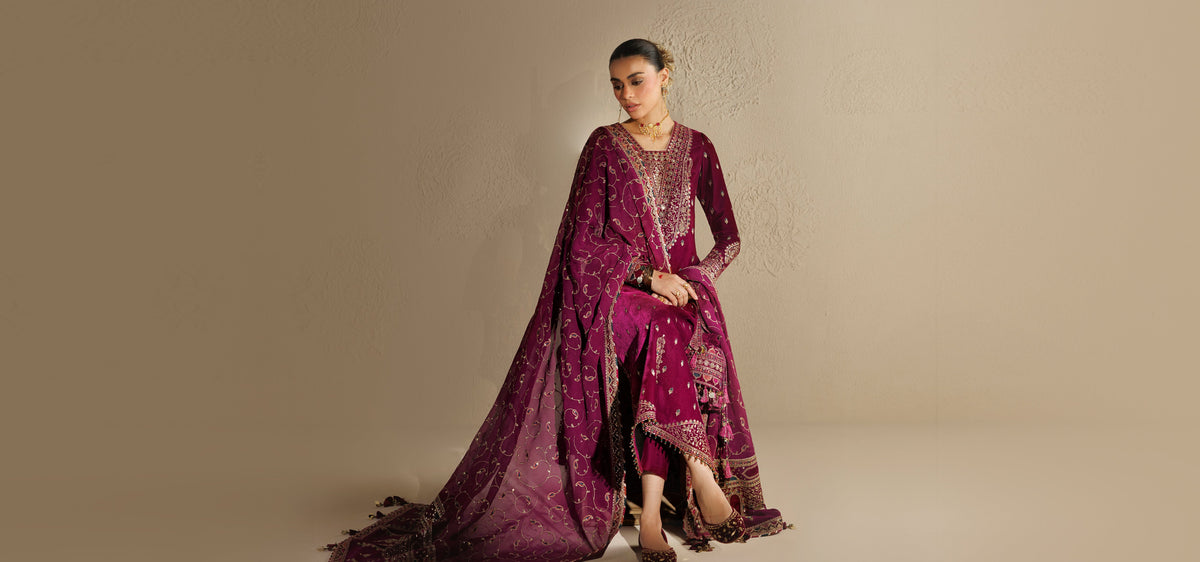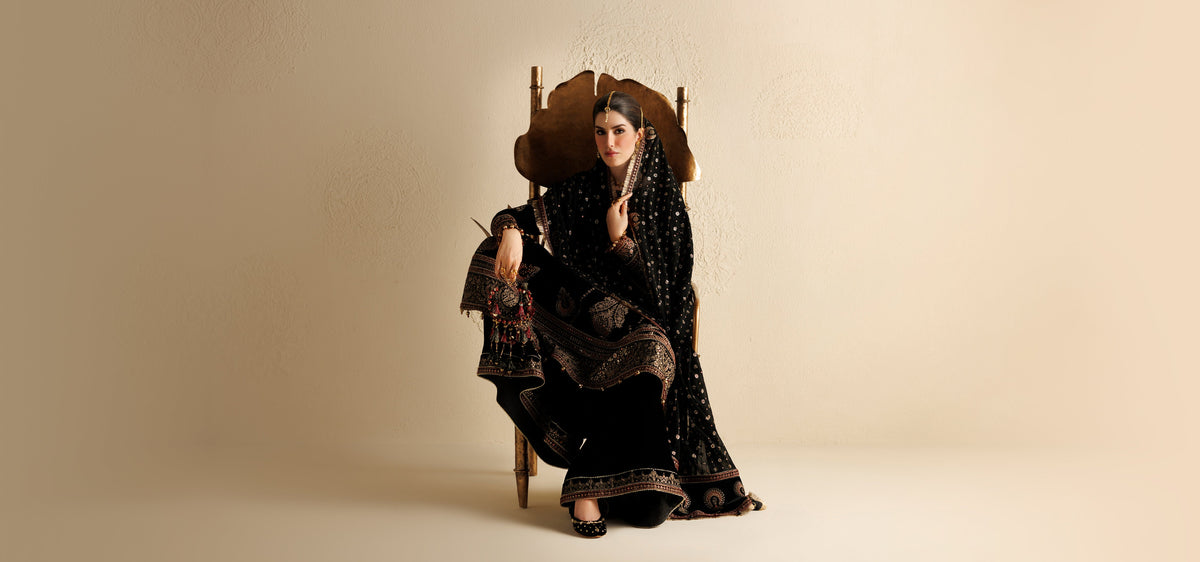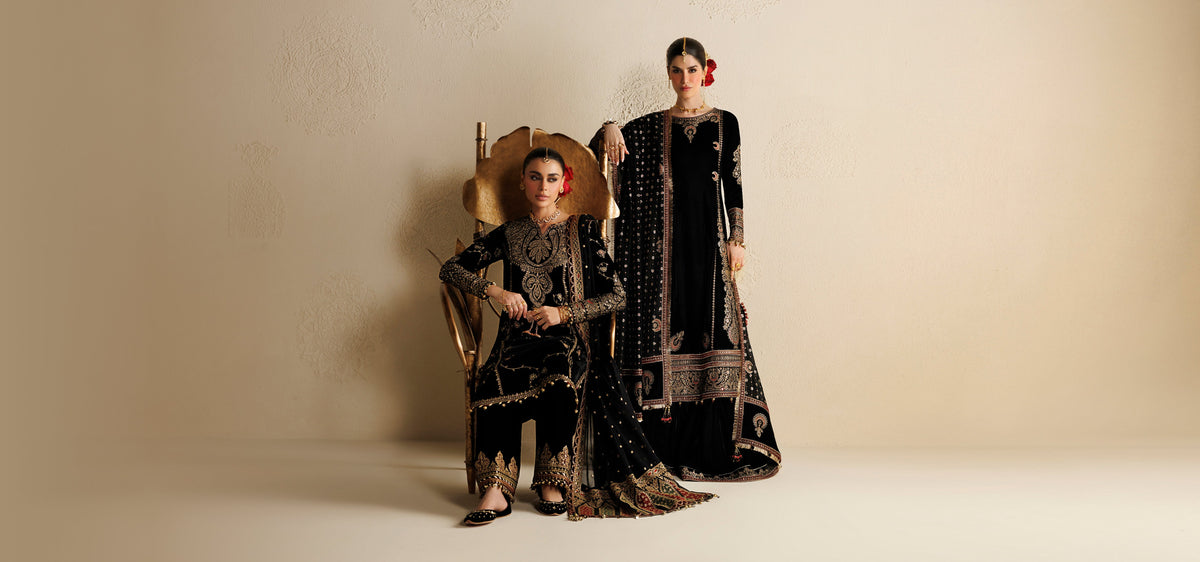
Velvet has always been associated with richness, warmth, and timeless winter dressing. When detailed embroidery is added to its soft, plush surface, the fabric takes on an entirely different character. Embroidered velvet combines texture and craftsmanship, creating pieces that feel luxurious while remaining rooted in traditional textile artistry.
From delicate threadwork to heavier decorative patterns, velvet embroidery requires careful attention to detail. The beauty of the finished fabric depends not only on the design but also on the quality of the velvet, the weight of the embroidery, and the way every element works together.
What Makes Velvet Ideal for Embroidery?
Velvet has a distinctive raised surface known as a pile, which gives the fabric its characteristic softness and depth. This surface naturally catches and reflects light, making colours appear richer and more dimensional.
Because of this texture, velvet provides an interesting base for embroidery. Threadwork can stand out against the plush fabric, creating contrast between smooth stitches and the soft background. Whether the design is minimal or heavily detailed, the combination adds visual depth.
However, velvet requires precision. Embroidery that is too dense or heavy can affect the way the fabric falls. Good craftsmanship considers the structure of the velvet before deciding how much embellishment the fabric can comfortably support.

Understanding Velvet Embroidery
Velvet embroidery refers to decorative stitching worked directly onto velvet to create patterns, motifs, borders, or other surface details. The technique can range from fine thread embroidery to more elaborate designs incorporating multiple textures.
Traditional motifs often include florals, vines, leaves, paisleys, and geometric patterns. Contemporary designs may combine these elements with more modern layouts, creating pieces that feel both classic and current.
The choice of thread also changes the overall appearance. Matte threads create a softer effect, while silk-like or slightly lustrous threads can catch the light and make the embroidery more noticeable. Metallic accents can add another layer of richness when used thoughtfully.
The Importance of Threadwork
Threadwork is one of the most noticeable elements of embroidered velvet. Fine stitching creates delicate patterns, while denser embroidery produces a more dramatic effect.
Quality threadwork should look clean and consistent. Stitches should follow the intended design without obvious gaps, loose threads, or uneven areas. Borders should maintain their shape, and repeated motifs should appear balanced across the fabric.
The direction of the stitches also matters. Skilled embroidery follows the structure of each motif, allowing flowers, leaves, and other details to look natural rather than flat. This attention to direction is particularly important when working with detailed floral designs.
Balancing Embroidery With Velvet Weight
The weight of both the velvet and the embroidery influences how a garment looks and feels. Heavier velvet can provide structure and warmth, while lighter velvet may offer a softer drape.
A well-designed embroidered velvet suit balances decorative elements with areas of plain fabric. For example, embroidery may be concentrated around the neckline, sleeves, front panel, or hem while leaving other sections relatively clean. This creates visual interest without overwhelming the garment.

How the Finish Defines Quality
The finish of embroidered velvet can make a significant difference to the overall appearance of a garment. Neatly finished edges, secure stitching, and carefully placed embroidery contribute to a more polished result.
The velvet itself should also have an even pile. When viewed from different angles, the fabric naturally changes how it reflects light, but it should not have unexplained patches, flattened areas, or inconsistent texture.
A quality finish also considers how the embroidery interacts with the fabric. Decorative work should sit comfortably on the velvet instead of appearing overly stiff or causing excessive puckering.
Choosing the Right Embroidery for a Velvet Outfit
The right embroidery depends on the occasion and the overall silhouette. For everyday winter dressing, smaller motifs or subtle borders can add interest without making the outfit feel too formal.
For festive gatherings and evening occasions, more detailed threadwork can create a stronger statement. A richly embroidered neckline, statement sleeves, or an intricately decorated front panel can instantly transform velvet into occasionwear.
A velvet work dress can also be styled in different ways depending on the embroidery. Minimal accessories can allow detailed threadwork to take centre stage, while statement jewellery can complement simpler embroidered designs.
Colour and Contrast in Velvet Embroidery
Colour plays an important role in how embroidery appears on velvet. Tone-on-tone threadwork creates a subtle, luxurious effect, while contrasting embroidery creates more visual impact.
Deep winter shades such as burgundy, emerald, navy, chocolate, and black naturally complement velvet's rich texture. Lighter embroidery can stand out beautifully against these darker bases, while tonal threadwork creates a more understated appearance.
Caring for Embroidered Velvet
Because both velvet and embroidery require careful handling, proper care helps preserve the garment's appearance. Avoid excessive rubbing or pressing directly onto embroidered areas, as this can affect both the pile and the threadwork.
Storage also matters. Velvet garments should have enough space to prevent unnecessary crushing. When possible, hanging them properly can help maintain the garment's shape and reduce deep creases.
Care instructions should always be followed according to the specific fabric and garment construction, particularly when embroidery includes delicate or decorative elements.
Why Embroidered Velvet Remains Timeless
The appeal of embroidered velvet lies in the way it brings together texture, colour, and craftsmanship. Velvet provides warmth and depth, while embroidery introduces detail and personality.
A beautifully made piece does not rely on embroidery alone. The quality of the velvet, the balance of threadwork, the placement of motifs, and the final finish all contribute to the finished look.
Whether it is an embroidered velvet suit for a festive gathering or a detailed velvet work dress for an evening occasion, the craft behind the garment is what gives it lasting appeal. When weight, threadwork, and finish are carefully considered, embroidered velvet becomes more than a seasonal fabric. It becomes a timeless expression of craftsmanship and style.