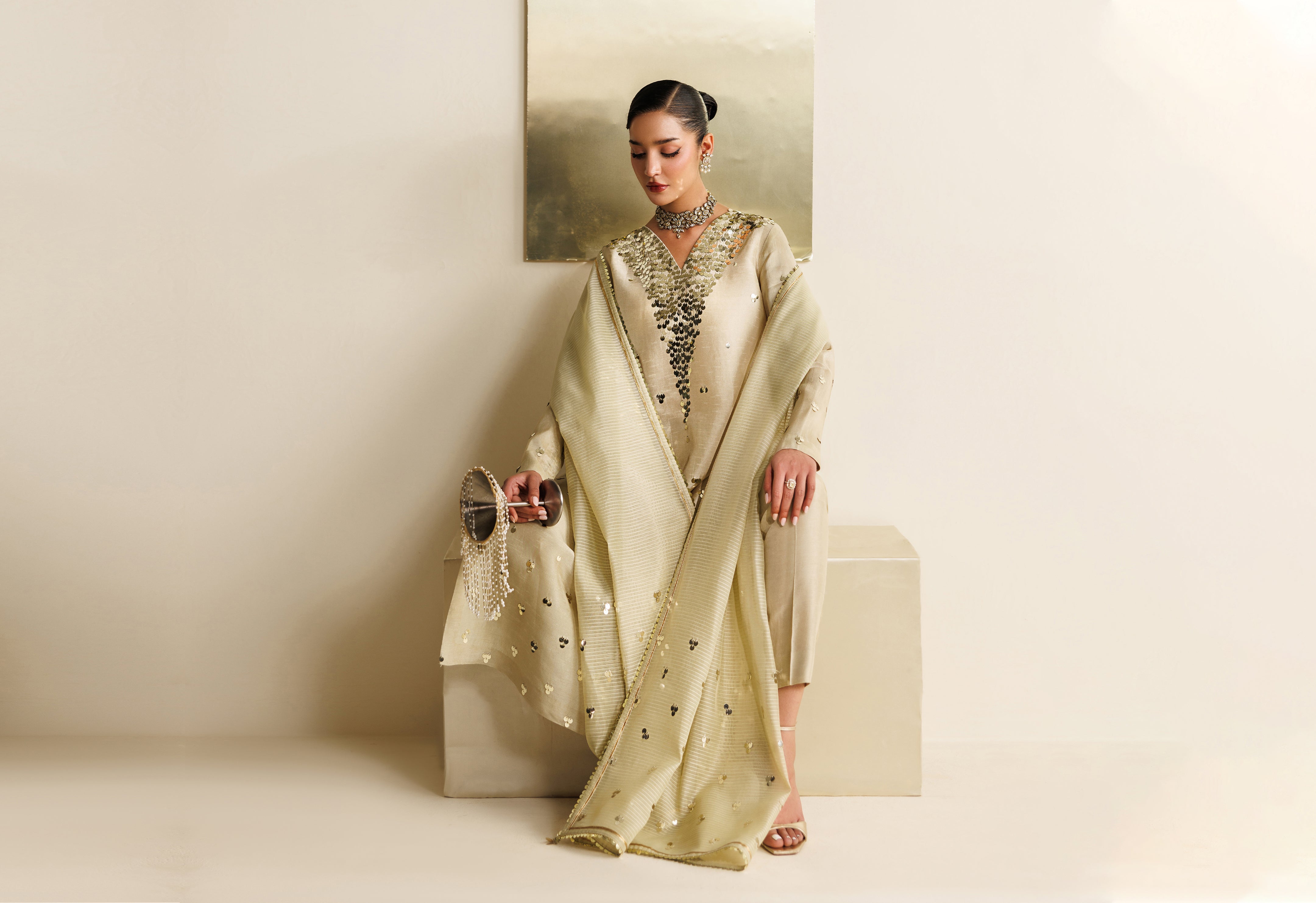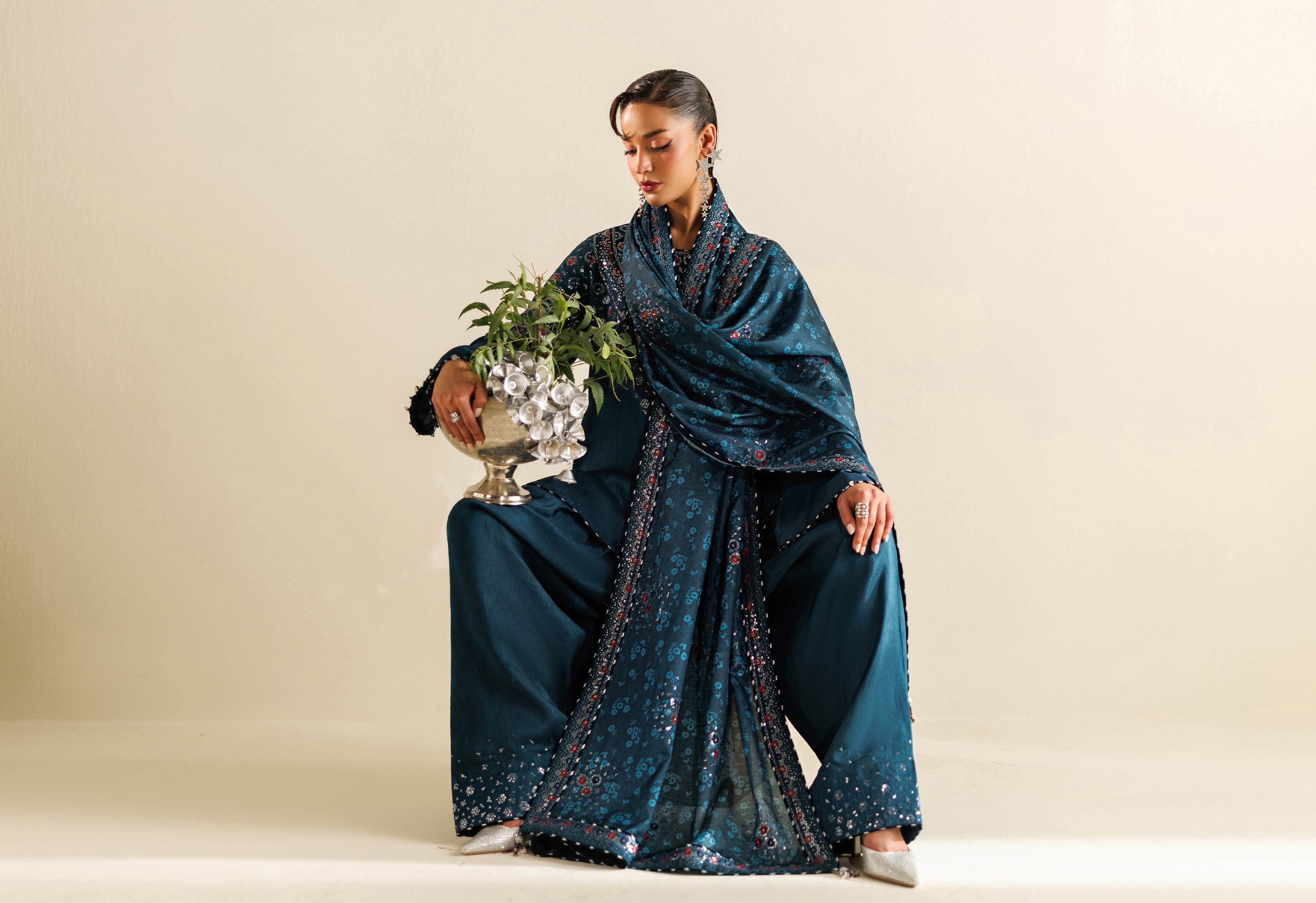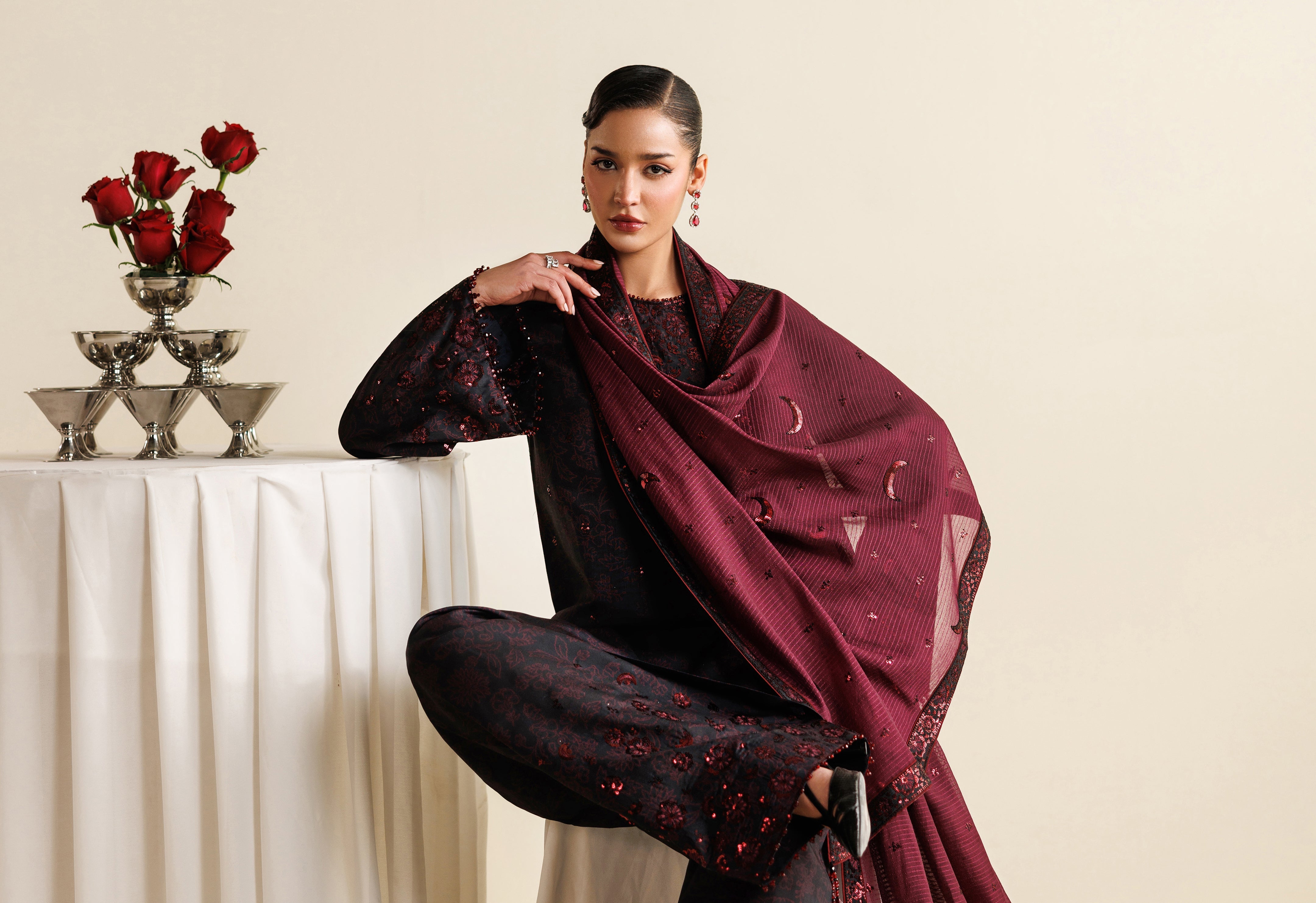
The rawsilk fabric has a beautiful sheen and texture. It holds elegance and grace; however, with these attributes, it adds a charm to the overall outfit. Rawsilk fabric has a beautiful texture that gives it a structure and strength.
While choosing the right rawsilk fabric for your wardrobe, it is important to identify the pure one, so that the fabric you choose is worth the money and it lasts for years. To identify the purity of raw silk fabric, the genuine silk test is done to determine the authenticity of rawsilk fabric and how long it can last.
The Burn Test: the method for authentication
To identify the purity of rawsilk fabric, the burn test method is applied. It helps in identifying the fake fabrics. The burn test is one of the most commonly used methods to identify natural fibres, including pure raw silk. While this test should be performed carefully and only on a small loose thread, it provides strong indicators of authenticity.
How to Perform the Burn Test Safely
To conduct the burn test:
- Pull out a single thread from an inner seam or loose edge
- Hold the thread with tweezers
- Burn it briefly using a lighter or match
- Observe how it reacts, smells, and leaves residue
This test works because natural silk fibres react differently to fire compared to synthetic materials.
How Pure Raw Silk Behaves in a Burn Test
When pure raw silk is burned:
- It burns slowly rather than melting
- The flame extinguishes once removed from the heat
- It produces a smell similar to burning hair or feathers
- The residue turns into a soft, black ash that crumbles easily
The Definitive Guide to Premium Raw Silk: From Fibre to Formal Wear.
This behaviour confirms that the fibre is protein-based, which is a defining characteristic of natural silk .
How Synthetic or Blended Fabrics React
Synthetic or blended fabrics show different signs:
- They melt or shrink away from the flame
- The flame continues burning after the heat
- They emit a chemical or plastic-like smell
- The residue forms hard beads instead of ash
If you notice these reactions, the fabric is likely not pure raw silk.
Visual Markers of Pure Raw Silk
While the burn test is useful, many people prefer non-destructive ways to identify raw silk. Fortunately, pure raw silk has several visual characteristics that help distinguish it from imitations.
Natural Texture and Irregularity
Pure raw silk is not perfectly smooth. It features:
- Slight unevenness in the weave
- Natural slubs and grainy texture
- Organic imperfections that enhance its character
Synthetic fabrics are often too uniform and flawless, lacking the natural depth seen in real raw silk.
Subtle, Soft Sheen
Raw silk has a muted, understated sheen rather than a glossy shine. The light reflects softly across the surface instead of appearing overly shiny or reflective. If a fabric looks excessively glossy or plasticky under light, it is likely synthetic or heavily blended.
Depth of Colour
Pure raw silk absorbs dyes deeply, creating:
- Rich, layered colour tones
- Slight variations in shade
- A natural depth that looks dimensional
Synthetic fabrics often appear flat or overly bright, especially in bold colours.
Why identifying pure rawsilk fabric is important
It is important to identify the purity of rawsilk fabric so that the buyer knows where they are spending their money. The purity determines the longevity and durability of the fabric and how long it lasts. Also, the purer the rawsilk will be, the more it will provide comfort and ease.
Conclusion:
The burning test method to identify the purification of rawsilk fabric is done to check the fabric quality and durability. Rawsilk fabric is considered to be one of the luxe fabrics, suitable for formal and semi formal wear. Its silky texture, sheen and smoothness make it look graceful, which creates a subtle, elegant silhouette.